Making Tax Digital Income Tax Sign Up: What Accountants Need to Know Now
HMRC will auto-enrol holdouts from September as roughly 294,000 sole traders and landlords miss the Making Tax Digital deadline.
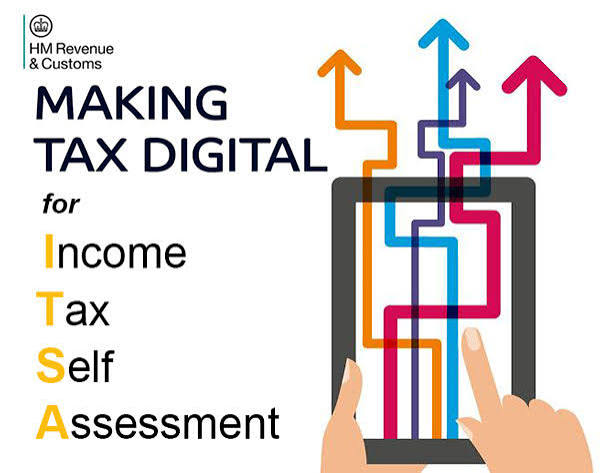
Roughly 294,000 sole traders and landlords should already be filing quarterly tax updates to HMRC but have not even registered. That gap is why Making Tax Digital income tax sign up has shifted from a voluntary exercise to an enforcement priority, with HMRC now preparing to auto-enrol holdouts from September.
HMRC requires sole traders and landlords with qualifying income over £50,000 to use Making Tax Digital for Income Tax from 6 April 2026. Those who need to use MTD for the 2026 to 2027 tax year should sign up now. The GOV.UK sign-up page is the official entry point, and agents can sign up clients instead through a separate route.
The service itself is not new. Voluntary sign-up for MTD ITSA has been open since April 2024. What changed in late 2025 was its accessibility. HMRC announced it was lifting restrictions that previously prevented some customers from registering, and taxpayers can now sign up without having already selected their software. The sign-up page has been iteratively updated since, but it remains the same underlying service rather than a fresh launch.
Who Must Register and When
Taxpayers are required to use MTD for income tax from April 2026 where their combined gross income from any sole trades or property businesses carried on in 2024/25 exceeded £50,000. Qualifying income is based on turnover, not taxable profit, and both sources are added together. From April 2027, the rules will extend to include most self-employed individuals and landlords with qualifying income over £30,000. From April 2028, the rules will apply to those with qualifying income over £20,000.
Partnerships are currently deferred from MTD ITSA with no mandation date set. Limited companies are not affected, as MTD for Corporation Tax has no confirmed start date.
Taxpayers can also sign up before they are required to, for either the current tax year or the next one, effectively volunteering early. HMRC will not apply penalty points for late quarterly updates for the first tax year, 2026 to 2027. Penalties will still apply for late tax returns or if tax is paid after the due date.
Making Tax Digital Income Tax Registrations Fall Short
HMRC previously estimated that around 864,000 people would fall into the first MTD population. By mid-April 2026, more than 219,000 had signed up, up from more than 37,000 in mid-February. By 12 August, more than 570,000 customers had signed up, though the first quarterly update deadline had already passed on 7 August 2026.
That leaves a significant tail. The 294,000 gap between HMRC’s target population and actual registrations represents more than a third of the mandated cohort still outside the system after the first filing deadline.
HMRC Will Auto-Enrol Holdouts From September
On 12 August 2026, HMRC announced that from September it will begin signing up people who should already be using MTD for Income Tax but have not registered themselves. The process will take place in stages over the following months.
Automatic registration does not organise your bookkeeping, choose software or submit missing information for you. For practices managing large client books, auto-enrolment creates an awkward scenario: clients who have been enrolled without choosing software or configuring digital records will still need hands-on support to become compliant. HMRC’s MTD Programme Director Craig Ogilvie told ICAEW that the sign-up process “takes roughly four minutes per client.” Multiply that across a book of several hundred clients and the administrative overhead becomes significant.
According to ICAEW’s Lindsey Wicks, getting clients ready for this change will create additional administrative and time costs for accountants who may struggle to pass these on in full to their clients. ACCA’s technical team has published guidance articles designed to help accountants, bookkeepers, sole traders, landlords and their agents prepare for the transition. ICAEW noted that many accountancy practices have “quite a bit of work to do” ahead of the introduction.
Penalties and the Soft Landing
The soft-landing penalty reprieve for 2026/27 quarterly updates may explain much of the tardiness. There are currently no penalties for missing quarterly filing deadlines during the 2026/2027 tax year. That reprieve does not extend to end-of-year returns.
From 2027/28 onwards, accumulating four penalty points within a 24-month period triggers a £200 fixed penalty, with a further £200 for each subsequent late submission. Practices that delay client onboarding through 2026/27 on the assumption that the soft landing absorbs the risk face a compressed timeline next year, with penalties active from day one.
Software for Making Tax Digital Income Tax
Commercial software compatible with MTD for income tax is required to create, store and correct digital records and send quarterly updates to HMRC. Most full accounting packages such as Xero, QuickBooks and FreeAgent handle both MTD for VAT and Income Tax. HMRC does not “approve” or endorse any specific product; the “recognised” designation means the software meets the technical requirements rather than serving as a quality rating. The government also offers its own free tool for MTD for Income Tax, suitable for sole traders or landlords with straightforward income from trading or UK property.
HMRC is no longer accepting production credential access requests for new 2026/27 quarterly update products, as the market window for these products has now closed. That means the current roster of recognised software is effectively fixed for this tax year. Accountants evaluating options for the £30,000 threshold tranche in April 2027 have slightly more runway, but not much.
The Making Tax Digital income tax sign up page on GOV.UK remains sparse. It is a transactional service, not a guidance document. Accountants who need detail on cessation rules, the treatment of overseas property income, how overlap relief interacts with the transition, or the mechanics of quarterly submissions alongside existing Self Assessment returns will need to consult HMRC’s step-by-step guidance, professional body resources from ICAEW, ACCA and CIOT, and their own software providers. The sign-up button is the easy part. Everything that follows it is where the real work begins.
Accountio.
The go-to weekly newsletter for accounting professionals. Trusted by 10,000+ industry leaders to deliver the tech trends and insights that matter most. Join them today.