Clara Secures $65 Million Series C Led by Citius, Kaszek and DEG
Clara AI funding reaches $105m as the Latin American spend platform adds a $65m Series C and a renewed $40m General Catalyst facility.
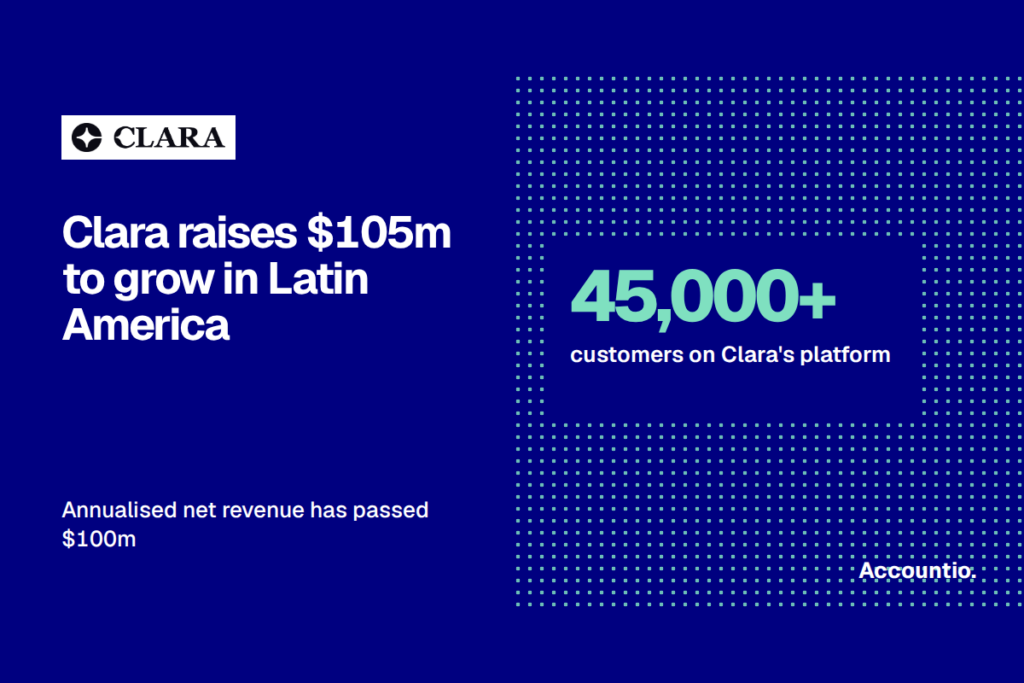
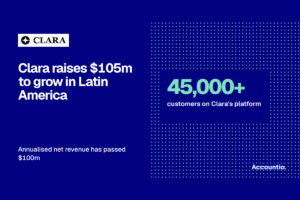
Clara, the Latin American corporate spend platform, has raised $105 million, made up of a $65 million Series C anchored by Citius, Kaszek and DEG and a renewed $40 million facility from General Catalyst’s Customer Value Fund, the company announced on November 10, 2026. The Clara AI funding comes with a profit record: annualised net revenue has passed $100 million and EBITDA has been positive for more than a year.
The split matters for anyone sizing up the company. Only $65 million is equity. The other $40 million is growth capital drawn from the General Catalyst Customer Value Fund, which backs companies against their customer revenue rather than their share price.
For finance teams in Mexico, Brazil and Colombia, the round signals that the region’s biggest independent spend platform is funded to keep building. For finance leaders in the US and Europe, it shows how far a card-led spend management business can scale in a market that global vendors have served unevenly.
Expense and Spend Management in the Accountio directory
154 Expense and Spend Management toolsEvery company in the category, with features, pricing and marketsCompare all →FeaturedYour software hereYour logo and a link in every Expense and Spend Management articleGet featured →Accountio.The go-to weekly newsletter, straight to your inbox.Weekly newsletter, straight to your inbox.
How the Clara AI funding round is structured
Citius, Kaszek and DEG, which is part of Germany’s KfW Group, anchored the Series C. Returning investors include Acrew Capital, Citi Ventures, Coatue, Commerce Ventures, DST Global Partners, Gaingels, General Catalyst, Mana Ventures, Monashees and Notable Capital.
New investors are CMT Digital, a blockchain and digital asset specialist, Nascent VC, the team behind Mexico Tech Week, and Michael Gilroy. Clara did not put a valuation on the round in its announcement.
The $40 million from the Customer Value Fund is a renewal. In April 2025 Clara announced an $80 million package of $40 million in equity, led by Citi Ventures and Kaszek, and a $40 million line from the same General Catalyst fund. The company reached a $1 billion valuation in 2021 after a $70 million Series B led by Coatue.
Debt capacity has grown alongside the equity. In November 2025 Clara secured $70 million in structured debt from BBVA Spark, Covalto and the International Finance Corporation. In February 2026 it renewed a $150 million facility with Goldman Sachs.
Together those lines take Clara’s total debt capacity beyond $250 million. With DEG and the IFC both on the cap table or lender list, two development finance institutions now support the company.
What Clara will spend the funding on
Clara said the funding from the Series C will go to its go-to-market team and to automation and AI features. The renewed $40 million is earmarked for growth across its widening product range, a use that fits a facility tied to customer revenue.
Clara counts more than 45,000 customers. They include most of the region’s growth-stage startups, three of the five biggest companies in Latin America and a Fortune 20 enterprise.
Founded in 2021, the company sells corporate cards, bill payments, spend management, accounts payable and accounts receivable in a single platform. It links financial data to payment execution, so approvals and payments sit in one workflow.
Clara has not published card volumes or a country-by-country customer split. Its cards are offered in Mexico, Colombia and Brazil, and its Clara Global product manages spending across multiple countries and currencies, including through stablecoins and multicurrency cards.
What the AI in Clara’s platform actually does
The Clara AI funding is aimed at features that already exist in part. Through Model Context Protocol, the platform connects to major AI tools. Customers can pull live spend reports and forecasts by asking questions in plain language, and AI agents can carry out approved transactions on their own.
An AI policy enforcement tool reviews employee expenses against company rules as they are submitted. Exceptions go to human reviewers, which removes repetitive checks without taking the final decision away from a person.
Clara’s product pages describe further capabilities. They include OCR that reads receipts and categorises them, policy rules written in plain language, flags for duplicate or inflated receipts, and AI-generated spend narratives by entity and currency. Receipts can be submitted over WhatsApp, and the platform integrates with SAP Concur, NetSuite, QuickBooks, Dynamics 365 and Zoho.
Citius partner Temur Turdibekov said the company had shown how an AI-first platform can change payment operations.
“Clara has demonstrated leadership across Latin America and shown how an AI-first platform can transform payment operations and improve efficiency.”
Temur Turdibekov, Partner, Citius
The features that matter most to an accountant are the controls: policy checks at the point of spend, human review of exceptions and an audit trail. Clara lists SOC 2 Type II, ISO 27001 and PCI DSS 4.0 certifications on its site.
Local products set Clara apart in Latin America
Clara’s clearest advantage over global platforms is local tax plumbing. Clara Fleet offers an SAT-authorised fuel card with automatic tax invoicing in Mexico. Clara Veículos is a postpaid, open-loop corporate fuel card in Brazil.
Chief executive Gerry Giacomán Colyer framed the strategy as regional. He said the region has long been underserved by financial platforms designed for other markets.
“Clara exists to champion Latin American businesses, and we work tirelessly to give them the tools to compete and win on the global stage.”
Gerry Giacomán Colyer, Co-founder and CEO, Clara
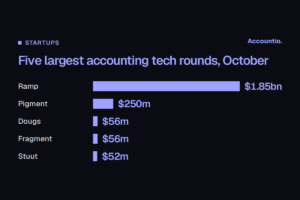
Global rivals set the benchmark on scale. Ramp’s $1.85 billion round at a $60 billion valuation shows how much capital is chasing card-led spend platforms in the US. Emburse processes roughly $90 billion a year in expense and invoice transactions across 120 countries.
Clara’s $100 million in annualised net revenue is a different scale from those figures, but it comes with positive EBITDA and with products built for Mexican and Brazilian tax rules. Buyers comparing options can use Accountio’s list of the best spend management software.
What comes next for Clara
The announcement sets out three tests. Clara has to turn the Series C into a larger go-to-market team, extend its agent features beyond approved transactions, and put the renewed Customer Value Fund money to work across new products.
Colyer said the company wants Latin American businesses to help shape how AI agents become part of business operations. Clara has not given dates for new product releases or new country launches.
Readers tracking other rounds can follow Raised This Week, which logs new financing across accounting technology and fintech.
Accountio.
The go-to weekly newsletter for accounting professionals. Trusted by 10,000+ industry leaders to deliver the tech trends and insights that matter most. Join them today.
Companies in this article
ClaraExpense and Spend ManagementView listing →SAPERP and General LedgerView listing →SAP ConcurExpense and Spend ManagementView listing →NetSuiteERP and General LedgerView listing →RampExpense and Spend ManagementView listing →EmburseExpense and Spend ManagementView listing →Compare Expense and Spend Management software
Emburse vs ExpensifySide by side: features, pricing and who each suitsCompare →All Expense and Spend Management softwareEvery company in the directory categoryDirectory →